


Cultural perspectives on gambling how different societies play the game
The Historical Roots of Gambling
Gambling has deep historical roots that span across various cultures worldwide. From ancient Chinese dice games to Roman chariot races, societies have engaged in betting activities for centuries. These practices often reflect the values, beliefs, and social structures of the time. For example, in ancient Mesopotamia, gambling was not only a form of entertainment but also a means of divination, showcasing the intertwining of luck and spirituality in early cultures. Many people now enjoy online platforms like vanguard-casino.net to experience thrilling games reminiscent of these historical practices.
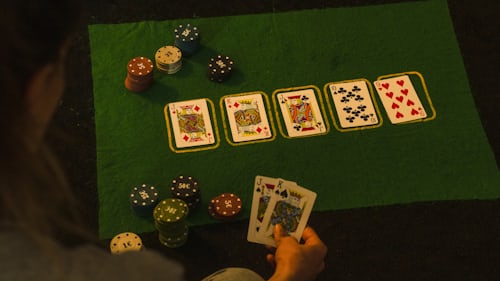
In many societies, gambling was associated with rituals and ceremonies, reflecting the cultural significance beyond mere entertainment. In Native American cultures, for instance, games like stickball have been played for centuries, serving as both a sport and a means of community bonding. This historical context highlights how gambling has evolved, adapting to changing societal norms while still retaining its foundational allure.
Modern Gambling Practices Across Cultures
In the modern world, gambling takes many forms, shaped by cultural attitudes and legal frameworks. In some cultures, such as in Las Vegas, gambling is seen as an integral part of the entertainment industry, attracting millions of tourists eager to experience the vibrant casino atmosphere. The availability of luxury resorts and high-stakes games exemplifies how gambling can be both a cultural spectacle and a significant economic driver.
Conversely, in countries like Japan, traditional gambling is often confined to specific types, such as Pachinko, which combines gaming with leisure. This reflects a cultural preference for games that balance chance with skill, emphasizing entertainment rather than pure financial gain. Each society’s unique approach to gambling illustrates how cultural values can influence participation and perception.
Social Implications of Gambling in Various Cultures
The social implications of gambling vary widely among cultures, influencing community dynamics and individual behavior. In some societies, gambling is seen as a social activity that fosters camaraderie and interaction, bringing people together in shared experiences. For instance, the communal aspect of playing Mahjong in Chinese communities underscores how gambling can enhance social bonds.
However, in other cultures, gambling may be viewed negatively, often associated with addiction and social issues. In many Western societies, concerns over problem gambling have led to increased regulation and public health initiatives aimed at educating individuals about responsible gambling practices. This dichotomy highlights the complex relationship between gambling, social structures, and individual choices across different cultures.
Gambling and Economic Factors
The economic implications of gambling are profound, with many societies relying on gaming industries for revenue generation. In places like Monaco, where luxury casinos thrive, gambling significantly contributes to the national economy, attracting affluent visitors and creating jobs. Such economies often promote gambling as a form of entertainment, emphasizing its role in tourism and hospitality.
On the other hand, some regions struggle with the economic consequences of gambling, particularly where it may lead to increased social welfare costs due to gambling-related issues. For instance, in areas where gambling is heavily promoted, local governments may face challenges balancing economic benefits with the need for social support services. This interplay between economic factors and gambling practices is crucial to understanding how different societies manage this complex issue.
Exploring Online Gambling Platforms
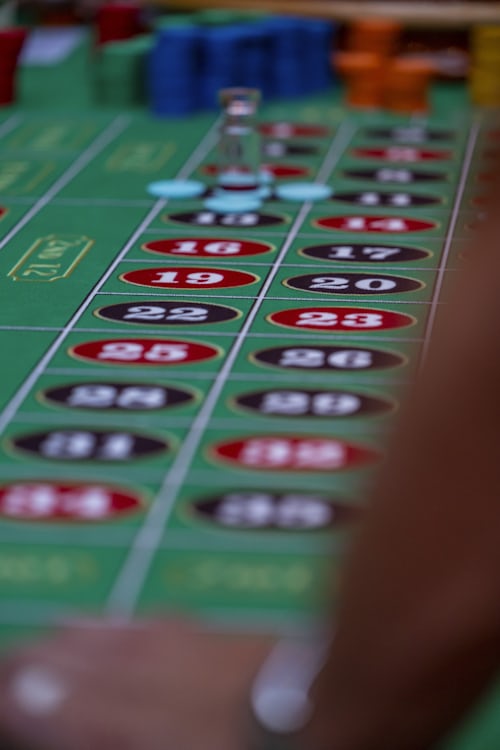
In today’s digital age, online gambling has surged in popularity, offering unique experiences tailored to diverse cultural tastes. Platforms like Vanguard Casino Australia cater to players from various backgrounds, providing a wide array of games and features that reflect global gaming trends. With over 7,000 licensed games and attractive welcome packages, these sites appeal to a broad audience seeking entertainment and thrill from the comfort of their homes.
The rise of online gambling also presents new cultural dynamics, as players from different societies interact on a shared platform. This phenomenon can lead to a blending of gaming styles and preferences, creating a rich tapestry of gaming culture that transcends geographical boundaries. As online casinos continue to evolve, they will play a pivotal role in shaping the future of gambling and its cultural significance worldwide.